Circulation vs. Traditional Nootropics: Two Different Approaches
Most memory and cognitive supplements fall into one of two camps: traditional nootropic botanicals like Ginkgo Biloba and Bacopa Monnieri, or circulation-focused amino acid formulas built around ingredients like Arginine and Citrulline.
Neither approach is inherently better, but they're genuinely different mechanisms, and it's worth understanding which one you're actually buying.
The traditional nootropic approach
Ginkgo Biloba, Bacopa Monnieri, Lion's Mane and similar botanicals have their own distinct research bases, generally studied for effects on memory formation, neuroprotection, or nerve growth factor. These botanicals have accumulated the largest body of research specifically measuring cognitive and memory outcomes in the supplement category.
The circulation-first approach
Amino acids like L-Arginine and L-Citrulline work through a different, more general mechanism: supporting nitric oxide production and blood flow throughout the body, including (by extension) the brain. This approach has a strong research base in athletic performance and cardiovascular contexts, but a thinner direct research base specifically measuring cognitive outcomes.
Which is the right choice?
Why this distinction matters for buyers
Someone comparing memory supplements by ingredient list alone might not realize these are two fundamentally different mechanisms, not two versions of the same idea. Understanding which mechanism a formula uses helps set accurate expectations for what it can plausibly deliver.
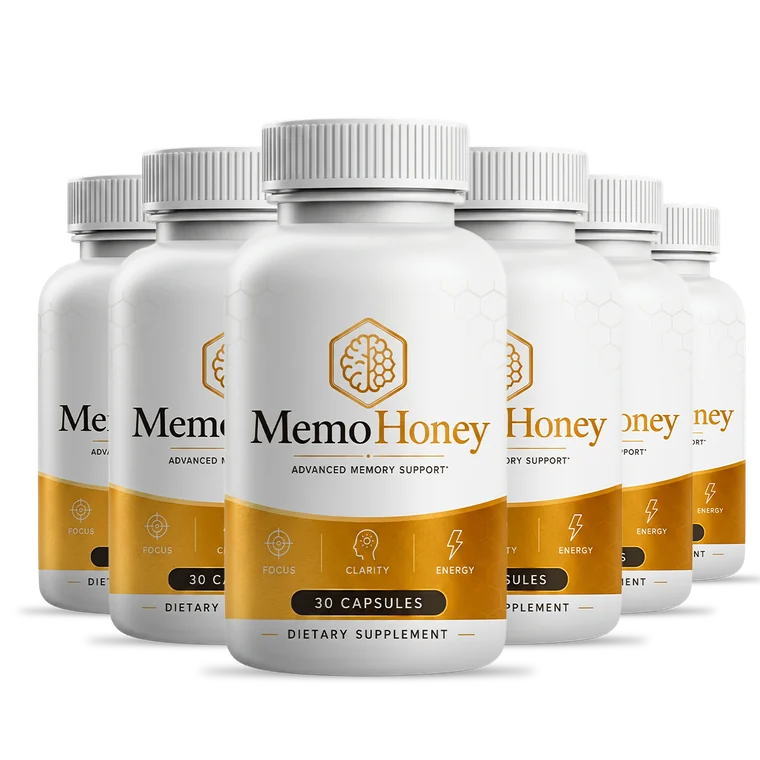
Applying this to MemoHoney
MemoHoney is built on the circulation-first approach, led by L-Arginine and L-Citrulline. We think this is worth stating plainly rather than letting buyers assume it works the same way as a Ginkgo- or Bacopa-based competitor.