Arginine, Citrulline And Brain Blood Flow: What The Research Shows
L-Arginine and L-Citrulline are amino acids most commonly associated with nitric oxide production and vascular circulation, more often discussed in athletic performance contexts than cognitive ones.
Understanding what the research does and doesn't establish about brain blood flow specifically helps set realistic expectations for a formula built around these ingredients.
The general mechanism: nitric oxide and vasodilation
Both L-Arginine and L-Citrulline are precursors in the body's nitric oxide production pathway. Nitric oxide relaxes blood vessel walls (vasodilation), which is the mechanism behind their more established use in exercise and cardiovascular contexts.
Why citrulline is often favored over arginine directly
Oral L-arginine is broken down substantially by the gut and liver before reaching circulation. L-citrulline takes an indirect route through the kidneys that generally results in higher blood arginine levels than an equivalent dose of arginine itself, which is why formulas increasingly include both, or citrulline specifically.
The extension to brain blood flow
What the evidence does not support
Arginine and citrulline are not proven treatments for memory loss, and there is limited direct clinical research specifically measuring cognitive outcomes from these ingredients (most research focuses on exercise performance and general vascular health). This is worth understanding honestly rather than assuming circulation research automatically transfers to cognitive claims.
Applying this to MemoHoney
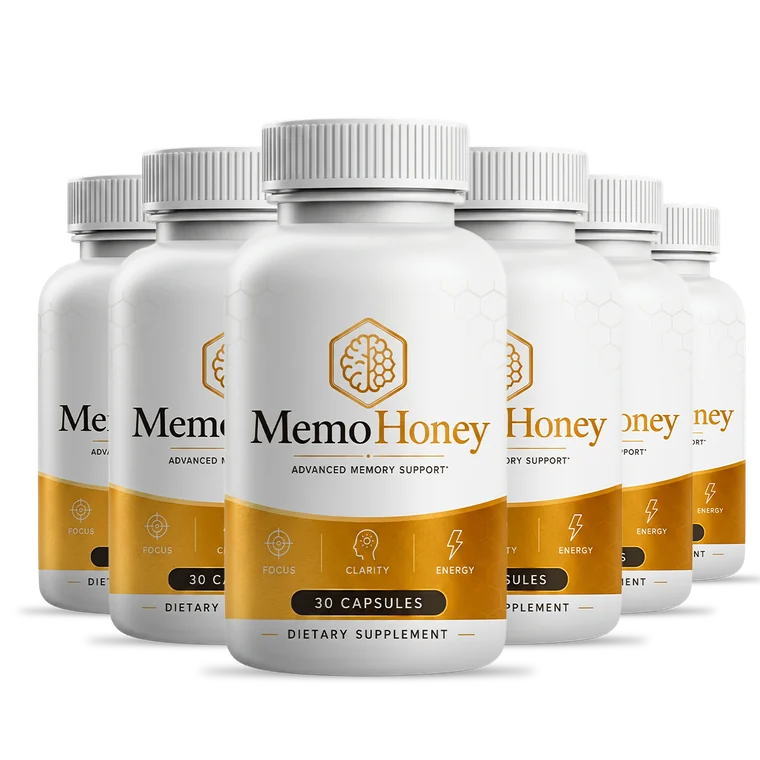
L-Arginine and L-Citrulline (in two forms each) are the headline ingredients in MemoHoney's formula, included for their circulation-support properties. The cognitive benefit case rests on the logical extension that better circulation supports better nutrient delivery to the brain — a reasonable hypothesis, though one with a thinner direct evidence base than the circulation research itself.